Prostate Health After 40: What Every Man Should Know
Most men don’t think about their prostate at all until something changes — an extra trip to the bathroom at 2 am, a weaker stream, a nagging discomfort that wasn’t there before. Prostate health…

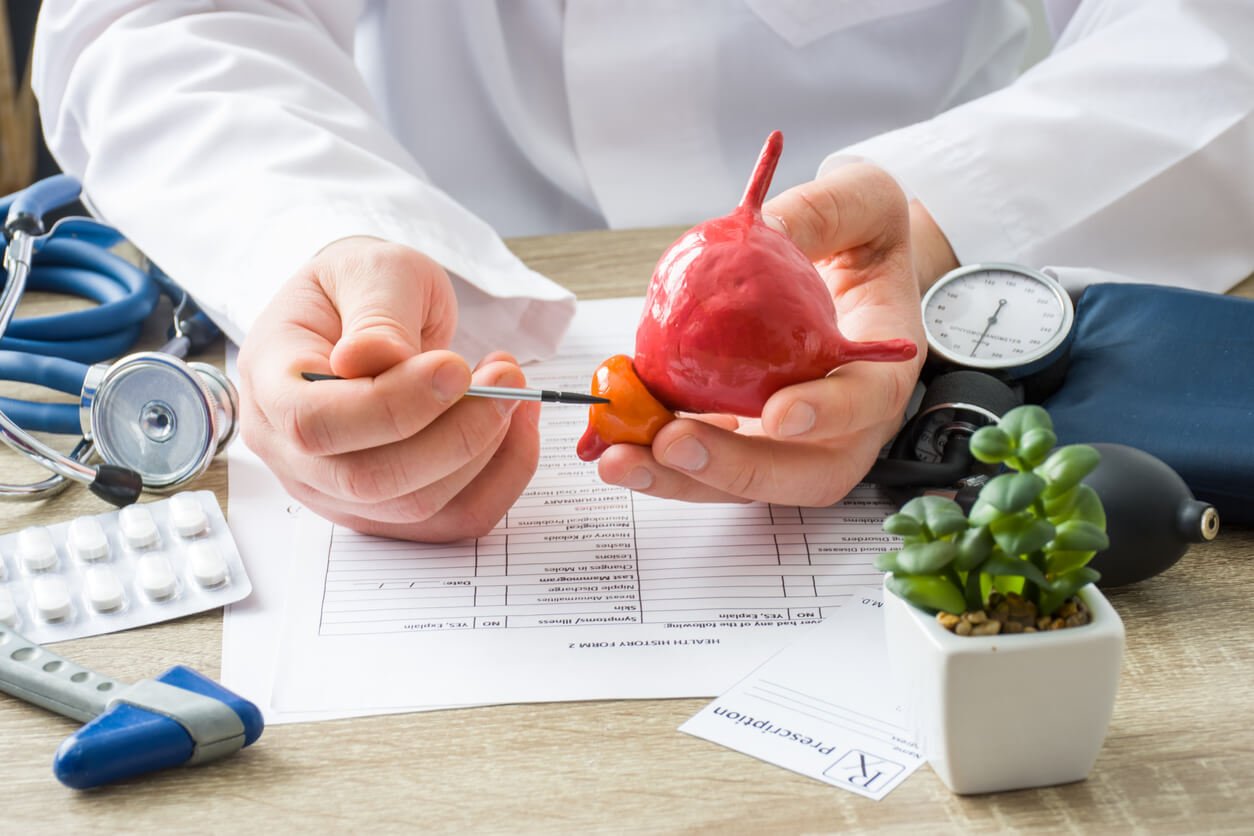
Persistent, severe or urgent symptoms should always be assessed by a qualified healthcare professional.
Most men don’t think about their prostate at all until something changes — an extra trip to the bathroom at 2 am, a weaker stream, a nagging discomfort that wasn’t there before. Prostate health issues become significantly more common after 40, yet it’s still a topic a lot of men avoid discussing, even with their own doctor.
My father-in-law brushed off his symptoms for almost a year, chalking it up to “just getting older.” Turned out to be benign prostate enlargement — completely manageable, but only once he actually got it checked.
Why the Prostate Becomes an Issue With Age
The prostate gland tends to enlarge naturally with age, a condition called benign prostatic hyperplasia (BPH). This enlargement can press on the urethra, leading to the urinary symptoms so many men quietly deal with.
Quick answer: Prostate issues become more common after 40 mainly because the gland naturally enlarges with age, a condition called BPH, which can press on the urethra and cause urinary symptoms like frequent urination or a weak stream.
Common Prostate Problems Symptoms
- Frequent urination, especially at night (a symptom doctors call nocturia)
- Weak or interrupted urine stream
- Difficulty starting urination
- A feeling that the bladder isn’t fully empty after going
- Sudden, urgent need to urinate
- In more serious cases, blood in urine or pain — these need immediate medical attention
Not every symptom means something serious, but a pattern lasting more than a few weeks is worth getting checked.
Common Prostate Conditions
Benign Prostatic Hyperplasia (BPH)
Non-cancerous enlargement, extremely common after 50, and increasingly seen even in the 40s. Manageable through medication or lifestyle changes in most cases.
Prostatitis
Inflammation of the prostate, sometimes caused by infection, leading to pain, urinary symptoms, and occasionally fever. Usually treatable with antibiotics if bacterial.
Prostate Cancer
One of the most common cancers in men, but also one with a high survival rate when caught early — which is exactly why regular screening after 40 (or 45-50, depending on risk factors) matters so much.
[link to related guide on understanding PSA test results here]
Natural Ways to Support Prostate Health
1. Eat More Tomatoes and Lycopene-Rich Foods
Lycopene, found in tomatoes, watermelon, and pink grapefruit, has been studied for its potential protective role in prostate health, particularly when tomatoes are cooked, which increases lycopene availability.
2. Cut Back on Red Meat and Dairy Excess
Some studies link high consumption of red meat and excess dairy with increased prostate issues, though the evidence isn’t fully conclusive. Moderation seems to be the reasonable middle ground.
3. Stay Physically Active
Regular exercise supports healthy weight and hormone balance, both of which play a role in prostate health as men age. Even 30 minutes of walking most days makes a measurable difference over time.
4. Limit Alcohol and Caffeine, Especially at Night
Both can irritate the bladder and worsen nighttime urinary frequency — cutting back in the evening specifically often helps more than cutting back overall.
[link to related article on diet changes for men’s health after 40 here]
5. Stay Hydrated, But Time It Right
Don’t cut water intake drastically thinking it’ll reduce bathroom trips — that can cause other problems. Instead, front-load hydration earlier in the day and taper off in the evening.
When to See a Doctor
Any noticeable change in urination patterns lasting more than 2-3 weeks, blood in urine, or pelvic discomfort should prompt a doctor’s visit. Most men put this off far longer than they should, usually out of a mix of denial and discomfort discussing it.
FAQs
At what age should men start getting prostate checkups? Generally around 45-50 for average-risk men, though those with a family history of prostate cancer are often advised to start screening around 40.
Is an enlarged prostate the same as prostate cancer? No, BPH (benign prostatic hyperplasia) is a common, non-cancerous condition, distinct from prostate cancer, though both can cause similar urinary symptoms.
Can diet really affect prostate health? Yes, to a meaningful degree — diets rich in lycopene, vegetables, and healthy fats, with limited red meat, are generally associated with better prostate health outcomes.
Is frequent nighttime urination always a sign of a prostate problem? Not always — it can also result from excess evening fluid intake or other conditions, but a persistent pattern is worth discussing with a doctor.
Are prostate problems reversible with lifestyle changes? Mild BPH symptoms can often improve with diet, exercise, and reduced evening fluid intake, though more significant enlargement may need medical treatment.
How is prostate cancer typically detected early? Through a combination of a PSA blood test and, when needed, a digital rectal exam — regular screening after the recommended age is the most reliable way to catch it early.
Conclusion
Prostate health after 40 deserves more attention than most men give it — not out of fear, but because early awareness makes almost every prostate issue far more manageable. Watch for changes in urination patterns, eat with your prostate in mind, and don’t skip screenings out of discomfort or denial. A five-minute conversation with a doctor now can save a lot of worry later.
Suggested Image Alt Text:
- “Doctor discussing prostate health screening with male patient over 40”
- “Lycopene-rich tomatoes and watermelon for prostate health diet”
- “Man exercising outdoors to support men’s health after 40”
Take the useful parts with you.
Save this resource, discuss concerns with a professional, and return to the bench for your next guide.

Admin
Medlento publishes practical, reader-first health and fitness resources with clear structure and responsible editorial guidance.