Benefits of Acupuncture: What Science Actually Says
Acupuncture tends to split people into two camps pretty fast — believers who swear it fixed their chronic back pain, and skeptics who think it’s just needles and placebo. The real answer, based on…

Persistent, severe or urgent symptoms should always be assessed by a qualified healthcare professional.
Acupuncture tends to split people into two camps pretty fast — believers who swear it fixed their chronic back pain, and skeptics who think it’s just needles and placebo. The real answer, based on actual research into the benefits of acupuncture, sits somewhere in the middle, and it’s more interesting than either extreme.
I was firmly in the skeptic camp until a friend dragged me to a session for persistent neck tension from desk work. I’m still not entirely sure how it works, but the tension genuinely eased within a couple of sessions — enough that I kept going back, curiosity intact.
What Is Acupuncture, Exactly?
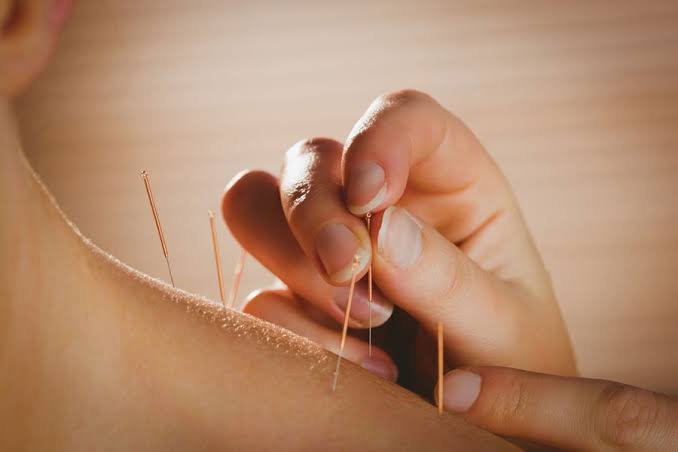
Acupuncture is a component of traditional Chinese medicine involving the insertion of thin needles into specific points on the body, believed to stimulate the nervous system and influence pain and other bodily functions.
Quick answer: Acupuncture involves inserting thin needles into specific points on the body, and current research suggests it works partly by stimulating nerves, releasing endorphins, and influencing the nervous system’s pain response.
What Research Actually Supports
1. Chronic Pain Relief
Multiple clinical studies, including reviews published in respected medical journals, show acupuncture therapy providing meaningful relief for chronic conditions like lower back pain, osteoarthritis, and migraines — often comparable to, or better than, standard pain medication for some patients.
2. Reducing Tension Headaches and Migraines
Several trials have found regular acupuncture sessions reduce both the frequency and intensity of migraines, making it a reasonable complementary option alongside standard migraine treatment.
3. Managing Chronic Lower Back Pain
This is one of the most well-studied applications. A number of research reviews consistently show acupuncture providing better outcomes than no treatment, and comparable results to conventional physical therapy in several cases.
[link to related guide on natural remedies for chronic back pain here]
4. Supporting Osteoarthritis Symptom Management
Research suggests acupuncture may modestly reduce pain and improve function in knee osteoarthritis, though results vary between individual studies, and it works best as a complement to standard treatment.
5. Helping With Stress and Anxiety
Quick answer: Studies suggest acupuncture may help reduce stress and anxiety symptoms by promoting relaxation responses in the nervous system, though effects vary between individuals and it works best alongside, not instead of, other stress management approaches.
6. Nausea Relief, Particularly Post-Surgery and Chemotherapy
Acupuncture, specifically at a point on the wrist, has fairly strong evidence supporting its use for reducing nausea related to chemotherapy and post-surgical recovery — one of the more consistently replicated findings in this field.
Does Acupuncture Work for Everyone?
Honestly, no — and that’s part of what makes this a genuinely nuanced topic rather than a simple yes/no. Response to acupuncture varies significantly between individuals, and some of the benefit likely involves a placebo component alongside genuine physiological effects. That doesn’t make it useless; it makes it one tool among several, not a guaranteed fix.
[link to related article on complementary therapies for chronic pain here]
What to Expect During a Session
- Sessions typically last 20-40 minutes, with needles left in for part of that time
- Most people report minimal discomfort — a light pinch at most, not sharp pain
- Multiple sessions, usually 6-10, are often needed to judge whether it’s genuinely helping
- A licensed, trained practitioner using sterile, single-use needles is essential for safety
Who Should Be Cautious
People with bleeding disorders, those on blood thinners, or pregnant women should discuss acupuncture with their doctor first, since certain points are generally avoided during pregnancy.
FAQs
Does acupuncture actually work, or is it just a placebo? Research suggests it has genuine physiological effects for certain conditions like chronic pain and nausea, though a placebo component likely contributes to some of the benefit as well.
How many acupuncture sessions are usually needed to see results? Most practitioners recommend 6-10 sessions before evaluating effectiveness, though some people notice improvement sooner.
Is acupuncture safe? Yes, when performed by a licensed practitioner using sterile needles, acupuncture is generally considered safe with minimal risk of side effects.
Can acupuncture replace conventional medical treatment? No, it’s best used as a complementary therapy alongside standard medical care, not as a replacement, particularly for serious or chronic conditions.
Does acupuncture hurt? Most people describe it as a mild pinch or tingling sensation rather than actual pain, and discomfort typically fades within seconds of insertion.
What conditions does acupuncture have the strongest evidence for? Chronic lower back pain, migraines, osteoarthritis-related knee pain, and chemotherapy-related nausea have some of the more consistent research support among studied conditions.
Conclusion
The benefits of acupuncture aren’t universal or guaranteed, but for specific conditions — chronic pain, migraines, certain types of nausea — the research genuinely supports giving it a try, ideally alongside standard medical treatment rather than instead of it. If you’re curious, find a licensed practitioner, commit to at least 6-8 sessions before judging results, and keep your doctor in the loop throughout.
Suggested Image Alt Text:
- “Acupuncture needles placed on patient’s back for pain relief”
- “Licensed acupuncturist treating patient in clinic setting”
- “Person relaxing during acupuncture therapy session”
Take the useful parts with you.
Save this resource, discuss concerns with a professional, and return to the bench for your next guide.

Admin
Medlento publishes practical, reader-first health and fitness resources with clear structure and responsible editorial guidance.