Teeth Whitening at Home: Safe Ways That Actually Work
Somewhere on social media right now, someone’s probably telling you to scrub your teeth with baking soda and lemon juice for that “instant white smile” everyone wants. Please genuinely don’t try that. I’ll get…

Persistent, severe or urgent symptoms should always be assessed by a qualified healthcare professional.
Somewhere on social media right now, someone’s probably telling you to scrub your teeth with baking soda and lemon juice for that “instant white smile” everyone wants. Please genuinely don’t try that. I’ll get into exactly why later on in this article, but that particular combination is basically sandpaper for your enamel, plain and simple.
Teeth whitening at home can absolutely be done safely and genuinely effectively — it just requires knowing the real difference between methods that actually work and ones that just sound convincing on a random reel you scrolled past. Let’s properly separate the two.
Why Teeth Discolor in the First Place
Quick answer: Teeth yellow gradually over time due to enamel thinning naturally (which reveals the naturally yellower dentin layer underneath), staining from tea, coffee, or tobacco use, and general everyday wear — understanding the actual cause genuinely helps you pick the right whitening approach for your situation.
Method 1: Whitening Toothpaste
These work through a combination of mild abrasives and sometimes a small amount of peroxide, specifically targeting surface stains rather than deeper discoloration sitting further in. Realistic expectation to set here: a subtle, gradual improvement over roughly 2-6 weeks of regular use, not some dramatic overnight transformation.
Method 2: Peroxide-Based Whitening Strips
- Look specifically for products with 6-10% hydrogen peroxide, generally considered genuinely safe for home use
- Follow the recommended duration exactly as stated — more isn’t automatically better here at all
- Expect noticeably visible results within roughly 1-2 weeks of consistent, correct use
Quick answer: Over-the-counter whitening strips with moderate peroxide concentrations rank among the most effective and dentist-approved options for teeth whitening at home, provided you genuinely don’t exceed the recommended usage time stated on the packaging.
Method 3: Oil Pulling
This traditional practice, swishing coconut or sesame oil around your mouth for 10-15 minutes, has some genuine evidence behind it for reducing plaque and bacteria, which indirectly supports a cleaner-looking smile over time. It’s not really a dramatic whitening method entirely on its own, but it’s genuinely a useful supporting habit to build in alongside other methods.
What About Baking Soda?
Used occasionally and genuinely gently, a small amount of baking soda can help remove surface stains reasonably well. The real problem is that people tend to scrub far too hard or use it far too frequently, which gradually wears down enamel over time — and enamel, once it’s genuinely gone, simply doesn’t grow back at all.
- If you do use baking soda, limit it to once or twice a week at the absolute most
- Mix it with water only, and avoid combining it with acidic ingredients like lemon juice
- Never scrub aggressively — genuinely gentle pressure is more than enough here
Why Lemon and Vinegar Are Genuinely a Bad Idea
I’ve seen this particular “hack” recommended more times than I can honestly count at this point, and it genuinely concerns me every single time. The acidity in lemon juice and vinegar erodes your enamel directly, and once that protective layer thins out noticeably, your teeth actually end up looking more yellow, not less, because the dentin underneath shows through even more clearly.
[link to related guide about common dental problems in kids here]
Professional Whitening: When It’s Genuinely Worth It
Quick answer: For deep or genuinely long-standing discoloration, an in-clinic professional whitening treatment achieves faster, considerably more dramatic, and genuinely safer results than home methods can offer, using higher-concentration formulas applied carefully under proper professional supervision.
Foods and Drinks That Quietly Undo Your Progress
- Tea and coffee, especially when consumed without rinsing your mouth out afterward
- Red wine and dark-colored sodas
- Turmeric-heavy dishes, fairly common in everyday Indian cooking, though rinsing after eating genuinely helps quite a bit
A Realistic At-Home Whitening Routine to Follow
- Brush twice daily using a mild whitening toothpaste consistently
- Use peroxide strips 1-2 times weekly, carefully following the package instructions
- Rinse your mouth thoroughly with water after tea, coffee, or other staining foods
- Avoid smoking or tobacco entirely, which stains far more aggressively than any food ever could
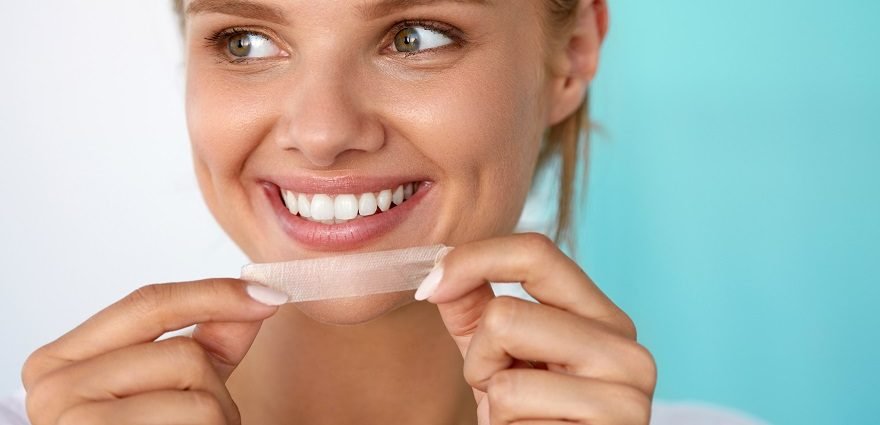
[Image alt text: “person doing safe teeth whitening at home using whitening strips”]
FAQ
Q: How long does teeth whitening at home genuinely take to show real results? Most methods show visibly noticeable improvement within 1-3 weeks of consistent, correct use, though results genuinely vary quite a bit based on your original level of discoloration to begin with.
Q: Is teeth whitening genuinely safe for people with sensitive teeth? It can cause some temporary sensitivity, sure, but lower-concentration products combined with reduced frequency generally make it manageable — consult a dentist directly if the sensitivity turns out to be genuinely severe.
Q: Does charcoal toothpaste actually genuinely whiten teeth effectively? Evidence here is honestly fairly mixed, and some charcoal formulas turn out to be quite abrasive, potentially causing more enamel wear than any real benefit gained over time.
Q: How often should I genuinely be whitening my teeth at home? Most products recommend a specific initial cycle, often followed by a maintenance phase of once or twice a month afterward — over-whitening can actually increase sensitivity without adding any real extra benefit.
Q: Can genuinely yellow teeth ever become naturally white again without any treatment at all? Not entirely, no — some yellowing is genuinely structural in nature (from enamel naturally thinning with age) and can’t be fully reversed without actual treatment, though good hygiene habits do prevent further staining going forward.
Conclusion
Getting a genuinely brighter smile through teeth whitening at home doesn’t require risky kitchen hacks pulled from social media — it requires patience and the right, properly dentist-approved products used consistently over time. Skip the lemon and baking soda extremes entirely, pick just one proven method from this list, and give it a genuine 2-3 weeks before you judge whether the results are actually working for you.
Take the useful parts with you.
Save this resource, discuss concerns with a professional, and return to the bench for your next guide.

Admin
Medlento publishes practical, reader-first health and fitness resources with clear structure and responsible editorial guidance.