Build Muscle at Home: A Beginner’s No-Gym Guide
A lot of people simply assume you need a proper gym, an entire rack of dumbbells, and a protein shaker permanently in hand to actually build any noticeable muscle. That’s genuinely not true, especially…

Persistent, severe or urgent symptoms should always be assessed by a qualified healthcare professional.
A lot of people simply assume you need a proper gym, an entire rack of dumbbells, and a protein shaker permanently in hand to actually build any noticeable muscle. That’s genuinely not true, especially within the first six months to a year of consistent training, which happens to be exactly when beginners see their fastest gains anyway, regardless of the setup.
I want to be upfront about this from the start — this guide won’t get you to competitive bodybuilder level, that’s simply not realistic here. But if your actual goal is to build muscle at home, get visibly and noticeably stronger, and feel genuinely more solid in your own body day to day, this covers exactly what you need, no gym membership required whatsoever.
The Basic Science, Kept Genuinely Simple
Quick answer: Muscles grow when you challenge them beyond their usual everyday load and then give them enough protein and adequate rest to properly recover — bodyweight training accomplishes this just as effectively as weights do, provided you’re progressively making the exercises harder over time.
Progressive Overload Without Any Weights
This is the part most beginners genuinely miss entirely. You don’t actually need heavier dumbbells to progressively overload a muscle — you can instead:
- Increase the total number of reps you’re completing per set
- Slow down each individual rep significantly (try a 4-second lowering phase instead of just 1 second)
- Add deliberate pauses right at the hardest point of the movement
- Switch over to a genuinely harder variation, like moving from knee push-ups up to full standard ones
Chest and Shoulders: Push-Up Variations
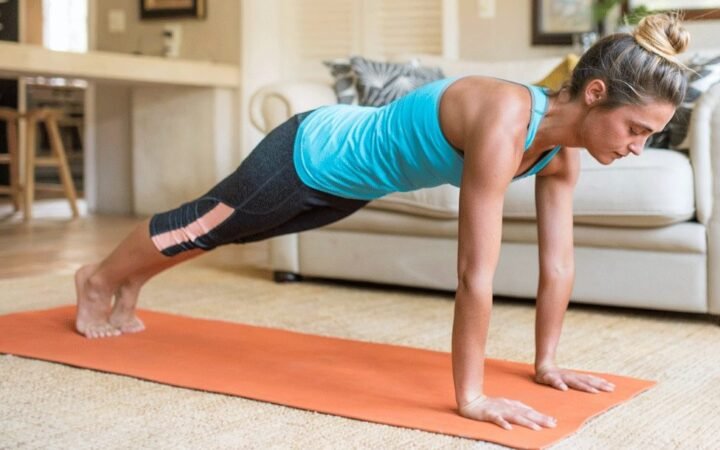
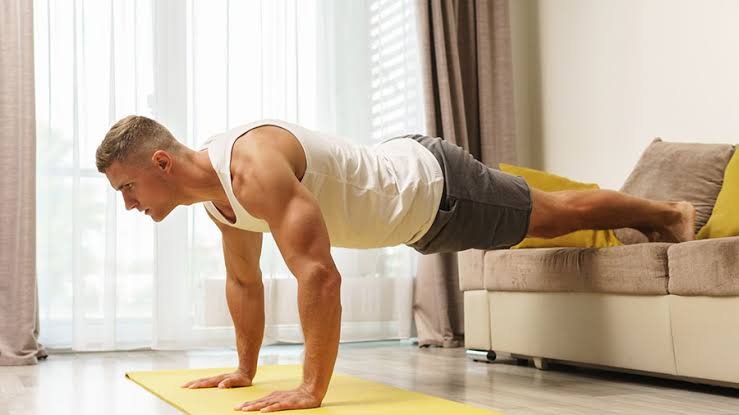
Start out with standard push-ups first. Once 15-20 reps starts feeling reasonably manageable, progress on to decline push-ups (with your feet elevated on a chair or a low step), which shift considerably more load onto your shoulders and upper chest specifically.
Back Muscles Without a Pull-Up Bar
This is genuinely the trickiest muscle group to train effectively at home, no way around that. A sturdy table or a low bar setup can work reasonably well for inverted rows. If neither option is available to you, resistance band rows are a solid, genuinely affordable substitute — a decent band typically costs less than a single gym session in most cities anyway.
[link to related guide about home workout routines here]
Legs: The Muscle Group People Consistently Underestimate
Squats, lunges, and single-leg glute bridges genuinely build serious leg strength without requiring any equipment whatsoever. I used to skip leg day entirely, even back when I had gym access, if I’m being fully honest, and it’s genuinely a mistake I regret now — strong legs support essentially everything else you do physically throughout the day.
- Bodyweight squats — 3 sets of 15-20 reps
- Bulgarian split squats (back foot resting on a chair) — 3 sets of 10 reps per leg
- Glute bridges — 3 sets of 15 reps
Core: More Than Just Endless Crunches
Quick answer: A genuinely strong core comes from a varied mix of planks, leg raises, and rotational movements, not from endless repetitive crunches alone — variety trains the core from multiple different angles and builds genuinely functional strength.
Nutrition for Actual Muscle Growth
You simply can’t out-train a poor diet, especially not when it comes to building muscle specifically. Protein matters the most here, by a fairly wide margin.
- Aim for roughly 1.2-1.6g of protein per kg of your body weight daily
- Include dal, paneer, eggs, chicken, or curd depending heavily on your personal dietary preference
- Don’t neglect carbs entirely either — they genuinely fuel your actual workout performance
[link to related guide about high protein vegetarian diet plans here]
Rest and Recovery Matter Just as Much
Muscles actually grow during rest periods, not during the workout session itself. Aim for at least one full rest day between training the exact same muscle group again, and prioritize getting 7-8 hours of sleep — this is genuinely where a lot of beginners quietly undermine their own progress without ever realizing it.
A Sample Weekly Training Split
- Monday — Push day (chest, shoulders, triceps)
- Wednesday — Pull day (back, biceps)
- Friday — Legs and core combined
- Rest or light walking on all other days
[Image alt text: “beginner doing bodyweight exercises to build muscle at home”]
FAQ
Q: Can I genuinely build real muscle at home without any equipment at all? Yes, particularly during your first year of consistent training — bodyweight exercises combined with progressive overload build genuinely noticeable muscle for most beginners starting out.
Q: How long before I might actually start seeing real results? Most beginners notice genuinely visible changes within roughly 8-12 weeks of consistent training paired with adequate protein intake throughout.
Q: Do I genuinely need protein supplements to make progress? Not necessarily at all — whole food sources like dal, eggs, paneer, and chicken can meet most people’s protein needs perfectly well without any powders involved.
Q: Is bodyweight training genuinely enough long-term, or will I eventually need actual weights? For most casual fitness goals, bodyweight training genuinely remains effective for years with enough exercise variation built in; more serious bodybuilding-specific goals eventually benefit from added external resistance.
Q: How many rest days do I genuinely need each week? At least 1-2 full rest days is genuinely reasonable for most beginners, alongside some lighter movement like casual walking on those days.
Conclusion
Building muscle at home isn’t some kind of inferior workaround compared to a real gym — for most beginners, it’s genuinely enough to see real, visibly noticeable strength and shape changes within just a few months of consistent effort. Stick closely to the progressive overload principle, eat enough protein daily, and don’t skip your scheduled rest days along the way. Start with three sessions this coming week and give it a genuine full month before judging whether it’s actually working for you.
Take the useful parts with you.
Save this resource, discuss concerns with a professional, and return to the bench for your next guide.

Admin
Medlento publishes practical, reader-first health and fitness resources with clear structure and responsible editorial guidance.