High Protein Vegetarian Diet Plan for Indians in 2026
“But where do vegetarians even get their protein from?” If I had a rupee for every time someone’s asked me that question, I could probably fund a fairly decent paneer factory by now. It’s…

Persistent, severe or urgent symptoms should always be assessed by a qualified healthcare professional.
“But where do vegetarians even get their protein from?” If I had a rupee for every time someone’s asked me that question, I could probably fund a fairly decent paneer factory by now. It’s a fair enough question on the surface, honestly, but it comes from a myth that’s stuck around way longer than it really should have at this point.
A proper high protein vegetarian diet is entirely achievable using ordinary Indian food — dal, paneer, curd, and a handful of other everyday staples already sitting in most kitchens right now. This isn’t about hunting down imported protein powders or exotic superfoods. It’s genuinely about being smarter with what’s already sitting in your pantry.
Why Protein Matters More Than Most People Realize
Quick answer: Protein supports muscle repair, hormone production, and satiety throughout the day — most sedentary adults need roughly 0.8g per kg of body weight, while genuinely active individuals need closer to 1.2-1.6g per kg, and a lot of vegetarians fall short of this without ever quite realizing it.
The Core Protein Sources for Vegetarians
- Dal (lentils) — roughly 9g of protein per 100g cooked, genuinely cheap and endlessly versatile
- Paneer — around 18g of protein per 100g, one of the most protein-dense vegetarian sources available
- Curd/Yogurt — about 3-4g per 100g, plus meaningful gut health benefits on top
- Soy chunks (nutrela) — a genuinely underrated source, around 52g of protein per 100g dry weight
- Chickpeas and rajma — roughly 8-9g per 100g once cooked
- Eggs, if you’re lacto-ovo vegetarian — about 6g of protein per single egg
A Sample Day on a High Protein Vegetarian Diet
Quick answer: A genuinely well-planned high protein vegetarian diet can easily hit 80-100g of total protein daily using dal, paneer, curd, and various legumes spread across three main meals and two snacks — no supplements required whatsoever.
Breakfast:
- Moong dal chilla (2-3 pieces) served with curd — roughly 20g of protein total
- Or alternatively, besan chilla with a side of sprouts
Mid-Morning Snack:
- A bowl of roasted chana or a small handful of peanuts — 8-10g of protein
Lunch:
- Dal (1.5 cups), 2 rotis, a small portion of paneer sabzi, salad with curd on the side — roughly 30g of protein
Evening Snack:
- Soy chunks bhel or a protein smoothie made with milk and banana — 15-20g of protein
Dinner:
- Rajma or chickpea curry, brown rice, sautéed vegetables on the side — roughly 20g of protein
The Foods People Consistently Forget About
I’ve noticed a lot of vegetarians lean fairly heavily on paneer alone and quietly forget how much protein is sitting in things like sprouts, quinoa, and even ordinary peanut chutney. Diversifying your protein sources also means you’re naturally getting a broader range of amino acids across your diet.
- Sprouted moong — genuinely cheap, easy to prepare in bulk ahead of time, great snack option throughout the week
- Quinoa — around 8g of protein per cooked cup, works genuinely well as a rice substitute
- Peanuts and peanut butter — surprisingly protein-dense, though it’s worth watching your portion sizes closely
[link to related guide about foods that boost immunity here]
Common Mistakes People Make on a Vegetarian High Protein Plan
- Relying solely on dal without properly pairing it alongside grains for a more complete amino acid profile
- Skipping protein entirely at breakfast, then quietly overeating carbs later on in the day instead
- Assuming “vegetarian” automatically means “healthy” by default — fried snacks genuinely don’t count toward any real protein goals
- Not tracking portions carefully at all, which makes it remarkably easy to underestimate your actual daily intake
Do You Genuinely Need Protein Powder?
Quick answer: Most vegetarians can meet their entire protein needs through whole foods alone without much trouble, but a plant-based protein powder can genuinely help fill gaps for very active individuals or those with notably higher requirements who struggle to eat enough sheer volume through meals alone.
Budget-Friendly Tips Worth Knowing
Picture a college student in Jaipur working with a fairly tight monthly budget — dal, curd, eggs (if included in their diet), and seasonal legumes remain some of the genuinely cheapest protein sources available anywhere, often far more affordable than paneer or store-bought protein bars.
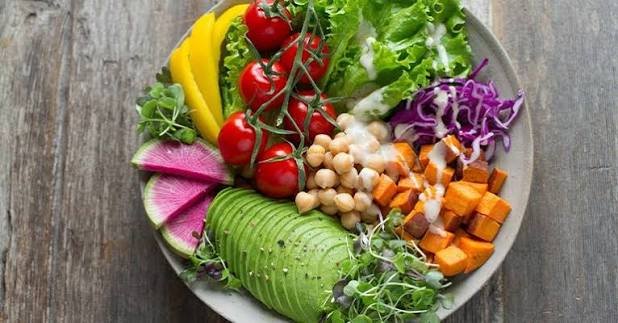
[Image alt text: “high protein vegetarian diet thali with dal, paneer and curd”]
FAQ
Q: Is 80-100g of protein genuinely realistic on a fully vegetarian diet? Yes, with a bit of planning involved — dal, paneer, curd, soy chunks, and legumes combined thoughtfully across your meals can comfortably reach that range for most people without much struggle.
Q: What’s genuinely the single best vegetarian protein source available? Soy chunks and paneer tend to top the list gram for gram, though dal remains the most practical and affordable everyday staple by a wide margin.
Q: Do I genuinely need to combine foods together to get complete protein? Combining grains and legumes together (like dal-rice or roti-rajma) does provide a genuinely fuller amino acid profile overall, though it doesn’t strictly need to happen within the exact same single meal every time.
Q: Can vegans follow a genuinely similar high protein plan too? Mostly yes, minus curd and eggs from the list — soy, lentils, chickpeas, and plant-based protein powders can adequately fill that particular gap instead.
Q: How much paneer is genuinely too much on a daily basis? Paneer is fairly calorie-dense, so 100-150g a day is a reasonable upper limit for most people, balanced out alongside other protein sources through the day.
Conclusion
A high protein vegetarian diet in India really doesn’t require anything remotely exotic or expensive to pull off — it just needs a bit of thoughtful planning around foods that are probably already sitting in your kitchen right now. Try actually tracking your protein intake for just three days this coming week; most people are genuinely surprised by how close they already are, or by how easy it turns out to be to close that remaining gap.
Take the useful parts with you.
Save this resource, discuss concerns with a professional, and return to the bench for your next guide.

Admin
Medlento publishes practical, reader-first health and fitness resources with clear structure and responsible editorial guidance.