Ayurvedic Remedies for Common Problems That Work
Growing up in an Indian household, you’ve probably had turmeric milk shoved at you the moment you sneezed even once. Turns out, a lot of that “grandma advice” holds up surprisingly well under actual…

Persistent, severe or urgent symptoms should always be assessed by a qualified healthcare professional.
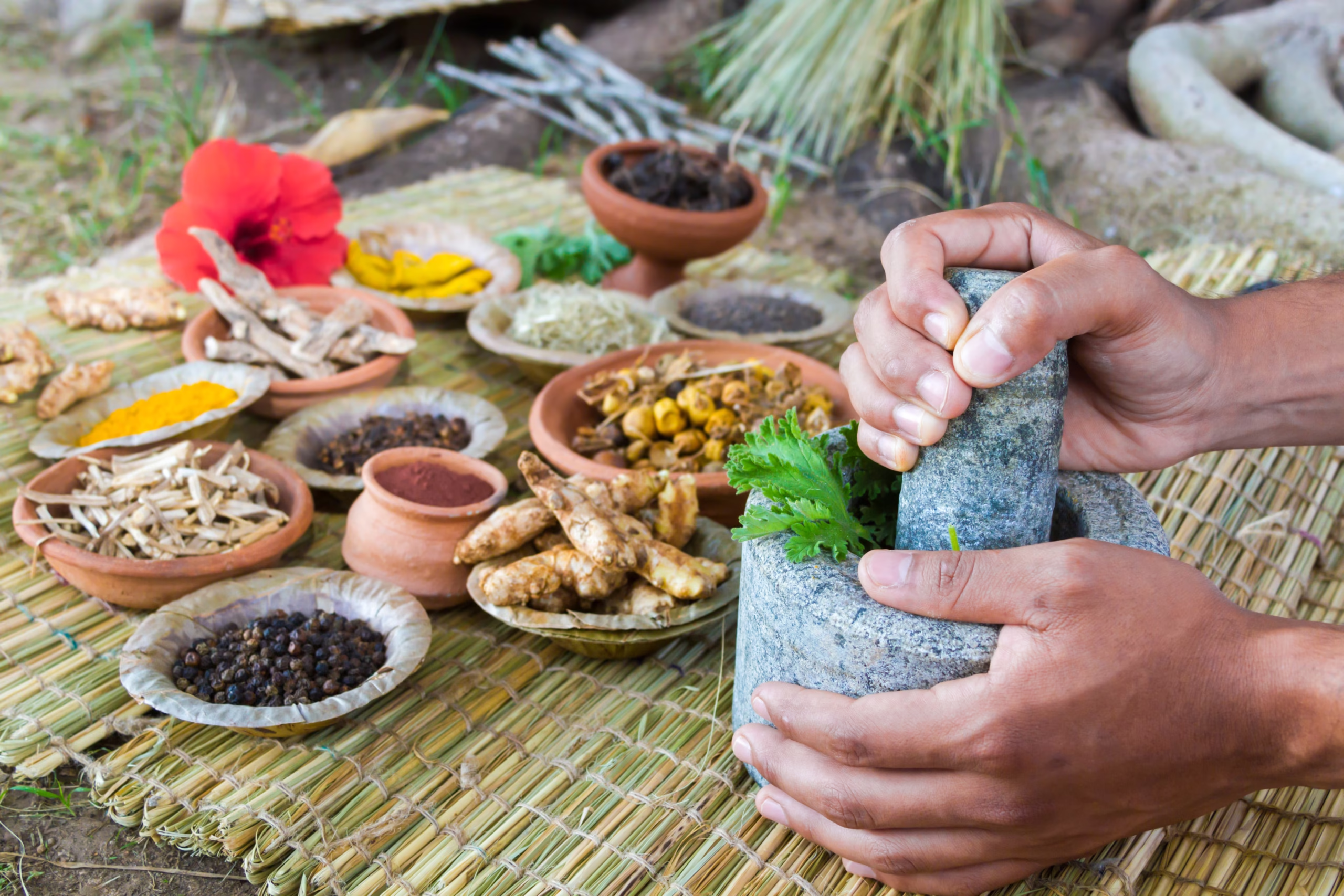
Growing up in an Indian household, you’ve probably had turmeric milk shoved at you the moment you sneezed even once. Turns out, a lot of that “grandma advice” holds up surprisingly well under actual scientific scrutiny. These ayurvedic home remedies aren’t magic, but several of them genuinely work — and in 2026, more researchers are studying why.
I used to roll my eyes at some of these remedies as a kid. Now, in my thirties, I reach for ajwain water before reaching for antacids most days. Funny how that works out.
What Is Ayurveda, Really?
Ayurveda is a traditional Indian medical system built around balancing the body’s three doshas — Vata, Pitta, and Kapha — through diet, herbs, and daily lifestyle habits, rather than treating symptoms in isolation.
Quick answer: Ayurveda is a centuries-old Indian system of medicine focused on balancing the body through herbs, diet, and lifestyle — and while it complements modern medicine well, it isn’t meant to replace it for serious conditions.
1. Ginger and Honey for Cough and Cold
Ginger has genuine anti-inflammatory and antimicrobial properties, backed by more than just tradition at this point. Fresh ginger juice mixed with honey soothes throat irritation surprisingly fast — usually within a day or two of regular use.
2. Turmeric Milk for Immunity
Turmeric contains curcumin, which has well-documented anti-inflammatory and antioxidant effects. Warm milk with a pinch of turmeric, taken before bed, is one of the most common ayurvedic home remedies across Indian households, and for decent reason.
- Add a small pinch of black pepper too — it significantly boosts curcumin absorption
- Best taken warm, not boiling hot
- Not a substitute for medical treatment if symptoms are severe or persistent
3. Triphala for Digestion
Triphala — a mix of amla, haritaki, and bibhitaki — is a staple in ayurveda for common diseases related to digestion. It’s typically taken at night, and many people report noticeably smoother digestion within a week or two of regular use.
[link to related guide on natural remedies for bloating and gas here]
4. Ajwain Water for Bloating
Carom seeds, or ajwain, have carminative properties that ease gas and bloating fast. Boil a teaspoon in water, let it cool slightly, and drink it after a heavy meal — it’s become something of a personal go-to for me, honestly.
Quick answer: Ajwain water works for bloating because carom seeds contain thymol, a compound that relaxes the digestive tract and helps release trapped gas more quickly than plain water alone.
5. Tulsi Tea for Respiratory Health
Tulsi (holy basil) leaves, brewed as tea, are traditionally used for respiratory support and stress relief, and they carry documented antimicrobial properties too. A cup in the morning has become a small daily ritual for a lot of people I know, especially post-2020.
6. Fenugreek Seeds for Blood Sugar Support
Soaking a teaspoon of fenugreek seeds overnight and consuming them (seeds and water) the next morning is a traditional approach that several studies suggest may support healthier blood sugar levels over time.
[link to related article on natural ways to manage blood sugar here]
7. Neem for Skin Issues
Neem’s antibacterial and antifungal properties make it a genuinely useful natural remedy for acne and minor skin irritation, typically applied topically in a diluted paste form rather than directly on the skin.
8. Brahmi for Focus and Memory
Brahmi has traditionally been used to support mental clarity and reduce stress, and it continues to attract research interest for potential cognitive benefits, though results are still considered preliminary in modern clinical terms.
Does Natural Ayurvedic Treatment Actually Work, Scientifically?
For specific issues — inflammation, digestion, blood sugar support — there’s genuine research backing ingredients like turmeric, fenugreek, and ginger. That said, Ayurveda works best as a complement to modern medicine, especially for anything chronic or serious, not as a full replacement.
Safety Tips Before You Start
- Buy herbs and remedies from reputable, tested sources to avoid contamination
- Check with a doctor before combining remedies with prescription medication — some herbs interact with common drugs
- Introduce one remedy at a time so you can actually tell what’s working (or not)
- Don’t self-treat anything serious — get proper medical care when symptoms are significant
FAQs
Are ayurvedic remedies safe to use alongside allopathic medicine? Generally yes, but certain herbs can interact with specific medications, so it’s worth checking with your doctor first, especially if you’re on regular prescriptions.
How long does it take for ayurvedic remedies to show results? Most remedies show noticeable effects within a few days to a couple of weeks with consistent use, though this varies by remedy and individual.
Can Ayurveda cure chronic diseases completely? It can help manage symptoms and support overall wellness, but for chronic or serious conditions, it should complement, not replace, proper medical treatment.
Is turmeric milk safe to drink every day? Yes, for most people, a small daily amount is considered safe and beneficial, though very high doses over long periods should be discussed with a doctor.
Do ayurvedic remedies have side effects? Some can, especially in high doses or when combined incorrectly with medication — that’s why sourcing quality herbs and consulting a practitioner matters.
What’s the difference between Ayurveda and homeopathy? They’re entirely different systems — Ayurveda uses herbs, diet, and lifestyle based on doshas, while homeopathy uses extremely diluted substances based on a different set of principles altogether.
Conclusion
These ayurvedic home remedies have stuck around for centuries for good reason — several genuinely hold up under modern scrutiny for common, everyday issues like digestion, immunity, and minor skin concerns. Used thoughtfully, alongside proper medical care when needed, they can be a solid addition to a wellness routine. Start with one remedy that fits your specific issue, give it a couple of weeks, and go from there.
Suggested Image Alt Text:
- “Turmeric milk in a glass with cinnamon stick, ayurvedic remedy”
- “Fenugreek seeds soaking in water overnight for blood sugar support”
- “Fresh tulsi leaves and tea for respiratory health” -e
Take the useful parts with you.
Save this resource, discuss concerns with a professional, and return to the bench for your next guide.

Admin
Medlento publishes practical, reader-first health and fitness resources with clear structure and responsible editorial guidance.