Kids Dental Problems Parents Can Actually Prevent
My niece once cried through an entire dinner because a cavity flared up unexpectedly, and watching that happen made me genuinely realize how little I actually knew about kids’ dental care until it suddenly…

Persistent, severe or urgent symptoms should always be assessed by a qualified healthcare professional.
My niece once cried through an entire dinner because a cavity flared up unexpectedly, and watching that happen made me genuinely realize how little I actually knew about kids’ dental care until it suddenly became urgent. A lot of parents find themselves in exactly the same boat — dental health for children often gets noticeably less attention than nutrition or sleep, right up until a problem actually shows up.
The genuinely good news is that most common kids dental problems are largely preventable with just a handful of consistent habits, not any kind of complicated routine at all. Here’s what actually genuinely matters.
Cavities: The Most Common Issue by a Wide Margin
Quick answer: Cavities in children are primarily caused by sugar-feeding bacteria that produce acid, which gradually erodes tooth enamel over time — frequent snacking throughout the day and sugary drinks are genuinely bigger culprits here than occasional sweets consumed at a single sitting.
Why Baby Teeth Genuinely Matter So Much
A fairly common misconception floating around is that cavities in baby teeth don’t matter all that much since “they’ll fall out anyway eventually.” That’s genuinely not true at all. Baby teeth hold important space for permanent teeth and support proper speech and chewing development along the way — losing them early to decay can genuinely cause real complications later down the line.
Building a Brushing Routine Early On
- Start cleaning gums even before the very first tooth appears, using a soft, damp cloth
- Once teeth do appear, brush twice daily using a rice-grain-sized amount of fluoride toothpaste for children under 3
- Increase to a pea-sized amount from around age 3 onward, still under close supervision
I’ve noticed parents often assume kids can brush entirely independently much earlier than they actually can manage properly — most children genuinely need supervision or direct assistance until somewhere around age 7 or 8.
Thumb Sucking and Pacifier Use
- Occasional thumb sucking in infants is genuinely normal and largely harmless at that stage
- Prolonged use past around age 4, however, can genuinely affect tooth alignment and jaw development over time
- Gentle, gradual weaning tends to work far better than sudden, forced stopping in most cases
Sugary Drinks: The Genuinely Sneaky Culprit
Quick answer: Juice, flavored milk, and soda rank among the biggest contributors to kids dental problems, not really because of occasional consumption but because of frequent sipping throughout the day, which keeps teeth constantly exposed to sugar and acid for extended periods.
Nighttime Bottle Habits Worth Rethinking
Putting a baby to sleep with a bottle of milk or juice is a fairly classic cause of what’s sometimes called “bottle rot” — extensive decay affecting the front teeth caused by prolonged sugar exposure overnight while the child sleeps. If a bedtime bottle is genuinely part of your existing routine, water is by far the safer option to switch to.
[link to related guide about vaccination schedules for babies here]
Diet Choices That Genuinely Help
- Cheese and dairy products, which help neutralize acid levels in the mouth naturally
- Crunchy fruits and vegetables like apples and carrots, which genuinely support healthy saliva production
- Water as the default everyday drink between meals, rather than reaching for juice
When to Genuinely Start Regular Dental Visits
Quick answer: Pediatric dentists generally recommend a first dental visit by age 1, or within six months of the very first tooth appearing, and then every six months afterward consistently — genuinely earlier than most parents typically assume is necessary.
Dealing With Dental Anxiety in Kids
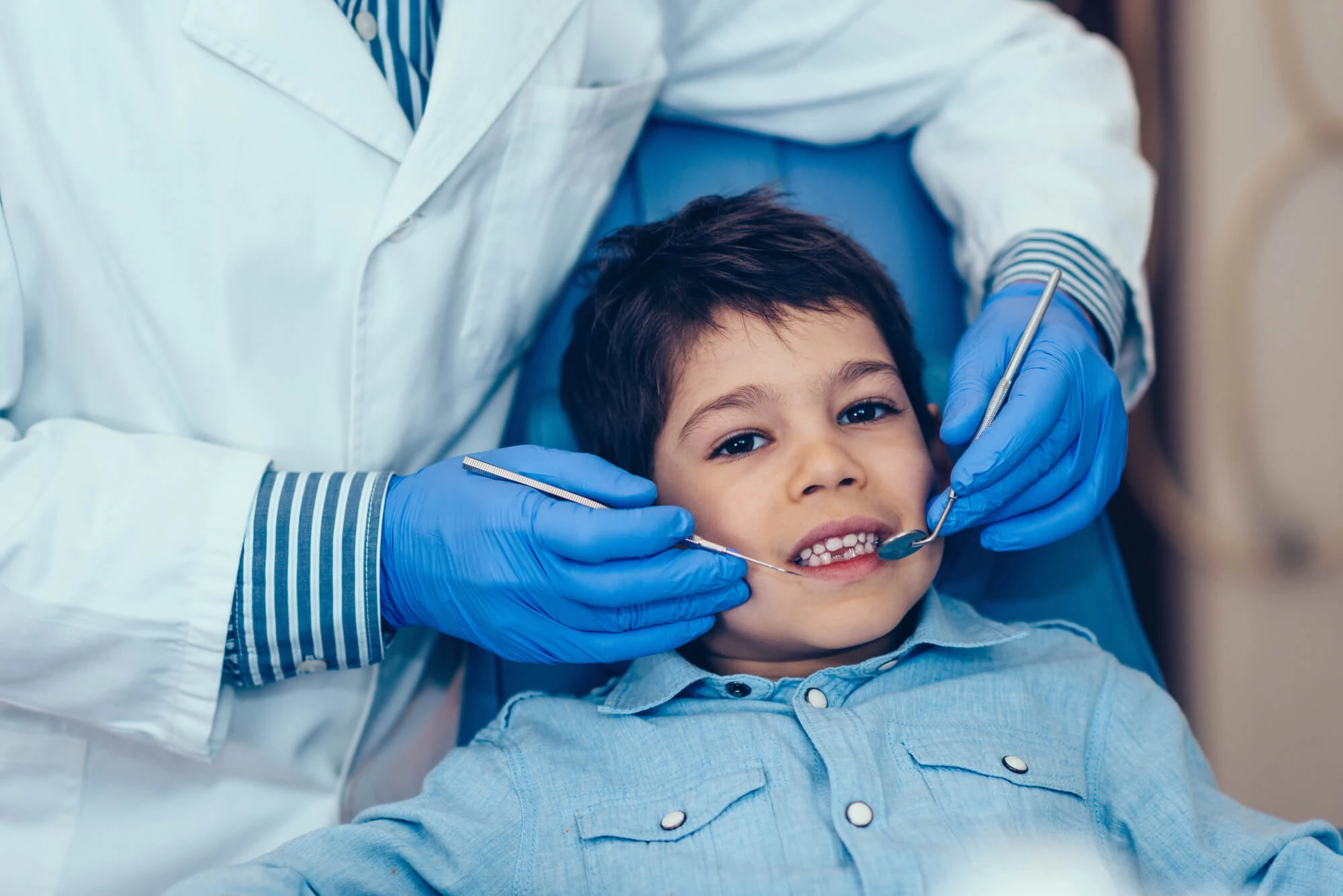
A lot of kids’ dental problems genuinely get worse simply because children are scared of the dentist, and parents end up delaying visits just to avoid the inevitable meltdown. Framing visits positively ahead of time, reading books about dentist visits beforehand, and choosing a pediatric dentist genuinely experienced with children all help quite a bit here.
- Avoid using dental visits as any kind of threat (“behave or the dentist will hurt you”)
- Role-play a mock dentist visit at home using a toy toothbrush beforehand
- Reward genuinely calm behavior after visits, rather than bribing beforehand to secure compliance
[Image alt text: “child brushing teeth to prevent common kids dental problems”]
FAQ
Q: At what age should a child genuinely start brushing entirely on their own? Most children can start genuinely attempting it around age 3-4, but full independent brushing without any supervision is generally more appropriate closer to age 7-8.
Q: Are cavities in baby teeth really worth treating if they’re going to fall out anyway? Yes, definitely worth treating — untreated cavities can cause real pain, infection, and meaningfully affect the development and alignment of the permanent teeth waiting underneath.
Q: How much sugar is genuinely okay for kids to have? Occasional sweets genuinely aren’t the main problem here — frequency matters considerably more than raw quantity, since constant sugar exposure throughout the day is really what drives decay forward.
Q: Is fluoride toothpaste genuinely safe for young children to use? Yes, in the correct age-appropriate amount — a rice-grain size for toddlers and a pea-size from age 3 onward, supervised carefully to avoid them swallowing large amounts.
Q: What’s genuinely the biggest mistake parents tend to make with kids’ dental care? Delaying that first dental visit far too long, often waiting until a problem is already visibly present rather than starting preventive visits around age 1 as recommended.
Conclusion
Most kids dental problems really do come down to a handful of genuinely preventable habits — consistent brushing, limiting frequent sugar exposure throughout the day, and starting dental visits meaningfully earlier than most parents tend to expect going in. None of this requires being perfect at it; it just requires being reasonably consistent over time. If your child hasn’t had a proper dental checkup yet, that’s genuinely a good place to start this month.
Take the useful parts with you.
Save this resource, discuss concerns with a professional, and return to the bench for your next guide.

Admin
Medlento publishes practical, reader-first health and fitness resources with clear structure and responsible editorial guidance.