Best Health Tracking Apps and Wearables in 2026
A few years back, a fitness band that counted steps felt impressive enough. Now, the best health tracking apps and wearables track sleep stages, blood oxygen, stress levels, and even flag irregular heart rhythms…

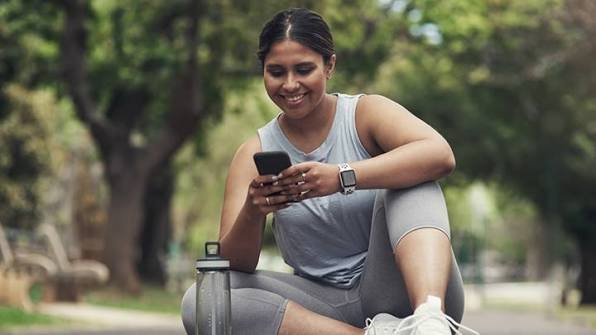
Persistent, severe or urgent symptoms should always be assessed by a qualified healthcare professional.
A few years back, a fitness band that counted steps felt impressive enough. Now, the best health tracking apps and wearables track sleep stages, blood oxygen, stress levels, and even flag irregular heart rhythms before you’d notice anything yourself. The technology’s moved fast — arguably faster than most people’s understanding of what to actually do with all that data.
I bought my first proper fitness tracker mostly to count steps. Within a month, the sleep tracking data alone completely changed how seriously I took my bedtime — turns out I was averaging way less deep sleep than I assumed.
Why Health Tracking Has Become So Popular
People increasingly want real, measurable data about their own bodies rather than relying purely on how they “feel.” Fitness wearables 2026 models have gotten significantly more accurate, and more affordable, than early versions from just five or six years ago.
Quick answer: Health tracking has grown in popularity because modern wearables now offer accurate, real-time data on sleep, heart rate, and activity, giving people measurable insight into their health rather than relying purely on subjective feeling.
Top Categories of Health Tracking Apps and Devices
1. Fitness and Activity Trackers
These remain the most common entry point — step counts, calories burned, distance covered. Most modern devices also layer in heart rate monitoring and workout-specific tracking modes for running, cycling, swimming, and more.
2. Sleep Tracking Wearables
Sleep tracking has become far more sophisticated, breaking down light, deep, and REM sleep stages using a mix of movement and heart rate variability data. Several health monitoring devices now also track snoring patterns and oxygen dips overnight, which can flag potential sleep apnea for further medical evaluation.
3. Heart Rate and ECG Monitoring
Many current-generation wearables include on-demand ECG readings, capable of flagging irregular heart rhythms like atrial fibrillation. This isn’t a diagnostic replacement for a doctor, but it has genuinely prompted several people to get checked earlier than they otherwise would have.
[link to related guide on understanding heart rate zones during exercise here]
4. Blood Oxygen (SpO2) Tracking
Useful for monitoring general wellness and altitude adaptation, and it gained mainstream attention during recent years for respiratory health monitoring, though accuracy can vary somewhat between devices.
5. Stress and Recovery Tracking
Quick answer: Stress-tracking wearables typically use heart rate variability data to estimate recovery and stress levels, giving users a rough daily score that reflects how well-rested and recovered their body is, rather than a precise clinical measurement.
6. Women’s Health and Cycle Tracking Apps
Dedicated apps now track menstrual cycles, ovulation windows, and symptoms with increasing accuracy, often combined with wearable data like temperature tracking for improved predictions.
[link to related article on period tracking apps for cycle health here]
What to Actually Look for When Choosing One
- Battery life that realistically matches your routine — a tracker you forget to charge is useless
- Data accuracy, ideally validated by independent reviews rather than just brand claims
- Comfort for all-day, and ideally overnight, wear if sleep tracking matters to you
- Companion app quality — clunky apps make otherwise great hardware frustrating to use
- Whether it integrates with other health apps or platforms you already use
Common Mistakes People Make With Health Tracking Apps
- Obsessing over daily fluctuations instead of looking at weekly or monthly trends
- Treating wearable data as medically diagnostic rather than a general wellness indicator
- Ignoring the data entirely after the initial novelty wears off within a few weeks
- Not adjusting device settings (like sleep schedule) for accurate tracking
Do These Devices Actually Improve Health Outcomes?
Evidence is mixed here, honestly. Some studies show meaningful behavior change — people walk more, sleep better — when actively using tracking data. Others show novelty wearing off within months, with usage dropping significantly. The device itself doesn’t create change; consistently acting on the data does.
FAQs
Are fitness wearables accurate enough to trust for medical decisions? Generally not for diagnosis — they’re useful for general wellness trends, but any concerning readings should always be confirmed through proper medical testing.
Which is more useful, a smartwatch or a dedicated fitness band? It depends on your priorities — smartwatches offer broader functionality, while dedicated fitness bands often provide longer battery life and are more focused purely on tracking.
Do health tracking apps require a wearable device to work? No, many apps track activity through phone sensors alone, though pairing with a wearable typically improves accuracy, especially for sleep and heart rate data.
How accurate is sleep tracking on modern wearables? It’s improved significantly but still isn’t as precise as clinical sleep studies — it’s best used for spotting general trends rather than exact measurements.
Can wearables really detect heart problems early? Some ECG-capable wearables have flagged irregular rhythms that led users to seek medical evaluation, but they should be seen as an early prompt, not a diagnostic tool.
Are cheaper fitness trackers worth buying, or should I spend more? Mid-range trackers now offer solid accuracy for most casual users — spending more mainly buys additional features, better build quality, and longer battery life, not necessarily better core accuracy.
Conclusion
The best health tracking apps and wearables in 2026 offer genuinely useful insight into sleep, activity, and heart health — but the real value comes from consistently acting on the data, not just wearing the device. Pick one that fits comfortably into your actual routine, focus on trends over daily numbers, and remember these tools support awareness, not medical diagnosis.
Suggested Image Alt Text:
- “Person checking fitness wearable data on smartwatch screen”
- “Sleep tracking app showing deep sleep and REM stages”
- “Health monitoring device displaying heart rate and SpO2 readings”
Take the useful parts with you.
Save this resource, discuss concerns with a professional, and return to the bench for your next guide.

Admin
Medlento publishes practical, reader-first health and fitness resources with clear structure and responsible editorial guidance.