Intermittent Fasting for Beginners: Complete Guide
Half the people I know have tried intermittent fasting for beginners at some point in the last few years, and honestly, the results have been mixed — some swear by it, others gave up…

Persistent, severe or urgent symptoms should always be assessed by a qualified healthcare professional.
Half the people I know have tried intermittent fasting for beginners at some point in the last few years, and honestly, the results have been mixed — some swear by it, others gave up within a week feeling constantly hungry. That gap usually comes down to how it’s actually done, not whether fasting itself works.
I was skeptical the first time a friend suggested it to me. “Just don’t eat for 16 hours? That’s it?” Turns out, yes, mostly — but there are a few details that make or break whether it actually feels sustainable.
What Is Intermittent Fasting, Really?
Intermittent fasting isn’t a diet in the traditional sense — it’s an eating pattern that cycles between periods of eating and fasting, without necessarily restricting what you eat during the eating window.
Quick answer: Intermittent fasting is an eating pattern that cycles between fasting and eating windows, most commonly 16 hours fasting and 8 hours eating, without strictly dictating what foods you eat during that window.
The Most Common Fasting Methods
16:8 Method
Fast for 16 hours, eat during an 8-hour window — say, 12 pm to 8 pm. This 16:8 fasting guide approach is the most beginner-friendly by far, since most of the fasting happens overnight while you’re asleep anyway.
5:2 Method
Eat normally five days a week, restrict calories to around 500-600 on two non-consecutive days. Works well for people who don’t want daily restriction.
Alternate-Day Fasting
Alternates between normal eating days and very low-calorie days. More intense, and honestly, not something I’d recommend jumping straight into as a beginner.
Step-by-Step: Starting Intermittent Fasting
1. Start With a Shorter Window
Don’t jump straight into 16:8. Try 12:12 for the first week — 12 hours fasting, 12 hours eating — which most people already do without realizing it, just by not snacking after dinner.
2. Gradually Extend the Fasting Window
Add an hour every few days until you comfortably reach 14 or 16 hours. Rushing this step is exactly why so many beginners quit within the first week, feeling miserable and overly hungry.
3. Stay Hydrated During the Fast
Water, black coffee, and plain tea are generally fine during fasting hours and can genuinely help manage hunger pangs. Dehydration often gets mistaken for hunger, in my experience.
4. Don’t Overeat During the Eating Window
This is probably the biggest beginner mistake. People fast for 16 hours, then binge on the eating window like it’s a reward, which cancels out any potential benefit for fasting weight loss.
- Eat balanced meals with protein, fiber, and healthy fats
- Don’t treat the eating window as a free-for-all
- Plan meals ahead if possible, so hunger doesn’t lead to poor choices
[link to related guide on high-protein meals for intermittent fasting here]
Potential Benefits of Intermittent Fasting
Quick answer: Intermittent fasting can support weight loss primarily by naturally reducing overall calorie intake, and some studies suggest additional benefits for insulin sensitivity and cellular repair processes, though more research is still ongoing.
- May help create a calorie deficit more naturally for some people
- Some research points to improved insulin sensitivity
- Can simplify meal planning by reducing decision fatigue around food
Who Should Be Cautious With Intermittent Fasting
Pregnant or breastfeeding women, people with a history of eating disorders, and those with certain medical conditions like diabetes should talk to a doctor before starting. Fasting isn’t universally safe for everyone, despite how popular it’s become.
[link to related article on foods that support hormonal balance here]
Common Mistakes Beginners Make
- Jumping straight to 16:8 or longer without building up gradually
- Not eating enough protein during the eating window, leading to muscle loss
- Treating fasting as a license to eat junk food during eating hours
- Giving up after just a few days instead of allowing 2-3 weeks for the body to adjust
FAQs
Can I drink coffee while intermittent fasting? Yes, black coffee without sugar or milk is generally fine during fasting hours and can even help curb hunger for some people.
How long does it take to see results with intermittent fasting? Most people notice changes within 2-4 weeks, though this depends heavily on overall diet quality during the eating window, not just the fasting itself.
Is 16:8 the best method for beginners? It’s generally considered the most sustainable starting point since much of the fasting window overlaps with normal sleep hours.
Will intermittent fasting cause muscle loss? Not if protein intake stays adequate and some strength training continues — muscle loss risk mainly comes from insufficient protein, not the fasting window itself.
Can I exercise while fasting? Yes, many people exercise in a fasted state without issues, though some prefer working out closer to their eating window if energy dips are a concern.
Is intermittent fasting safe for everyone? No — pregnant women, people with certain medical conditions, or a history of disordered eating should consult a doctor before starting.
Conclusion
Intermittent fasting for beginners works best when you ease into it gradually rather than diving straight into a strict 16:8 schedule. Start with a shorter window, stay hydrated, eat properly during your eating hours, and give your body a couple of weeks to adjust before deciding if it’s sustainable for you. It’s not the only path to weight loss, but for the right person, it can genuinely simplify things.
Suggested Image Alt Text:
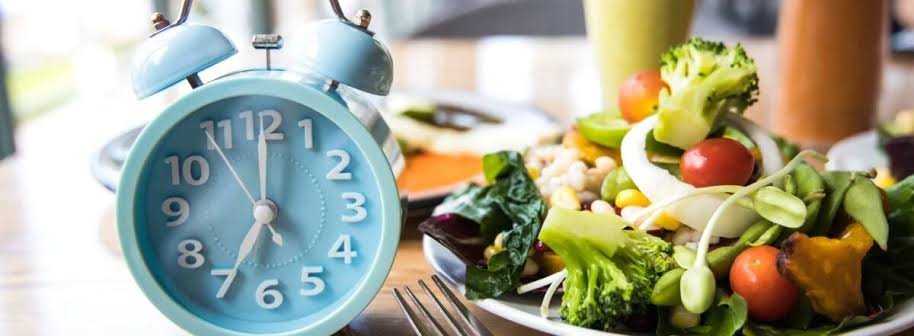
- “Clock showing 16:8 intermittent fasting eating window schedule”
- “Healthy high-protein meal for breaking a fast”
- “Person drinking water during intermittent fasting period”
Take the useful parts with you.
Save this resource, discuss concerns with a professional, and return to the bench for your next guide.

Admin
Medlento publishes practical, reader-first health and fitness resources with clear structure and responsible editorial guidance.